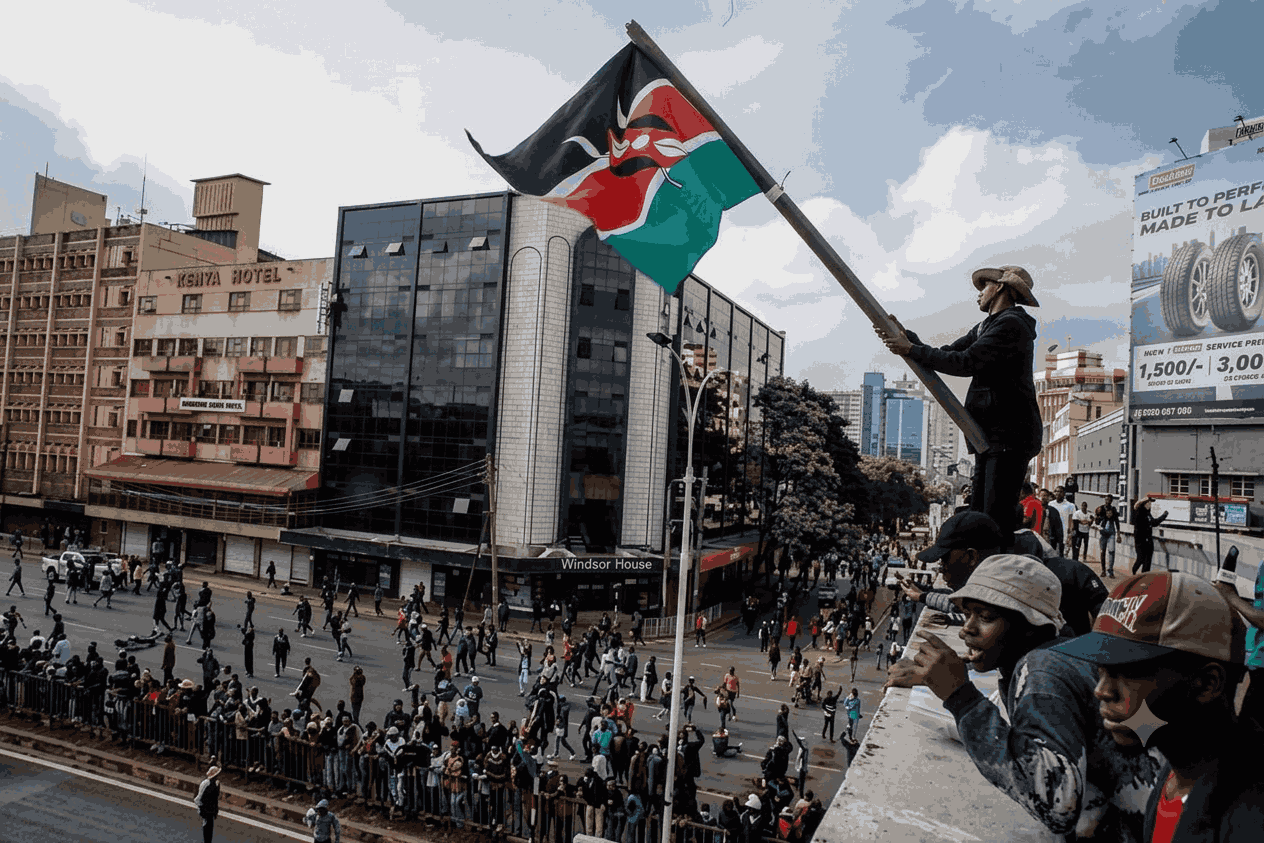
As Kenya’s political class begins to focus on the newly circulating election roadmap toward the August 2027 General Election, a different conversation is unfolding across social media. Citizens are debating broken promises, political accountability, and a highly publicized back-and-forth between President William Ruto and The Standard newspaper. The timing is striking. On the very day the country is reflecting on governance and leadership, Kenyans are also commemorating June 25 the day that became synonymous with the Gen Z-led march to Parliament in 2024, a moment that permanently altered Kenya’s political landscape (Reuters, 2026; BBC, 2024).
The IEBC timeline tells us when politicians should resign, when parties should conduct nominations, and when campaigns should officially begin. What it does not tell us is whether the trust deficit between citizens and leaders will have narrowed by then. Elections are often treated as administrative events, marked by dates, deadlines, and procedures. Yet the true test of democracy is not whether citizens show up to vote every five years, but whether they feel heard in the years between elections (International IDEA, 2024).
June 25 remains a powerful reminder that a generation of young Kenyans refused to wait for the ballot box to make their voices heard. The 2024 protests, initially triggered by opposition to the Finance Bill, evolved into a broader demand for transparency, accountability, and responsive governance. Through social media, decentralized organizing, and unprecedented civic engagement, young people demonstrated that political participation extends far beyond party rallies and election day (Amnesty International, 2024; Reuters, 2024). They challenged a long-standing assumption in Kenyan politics that young people are politically apathetic until election season arrives.
This is why the road to 2027 cannot simply be about preparing for another electoral contest. It must also be about reckoning with the questions raised in 2024. Have leaders listened? Have institutions learned? Have the concerns that brought thousands of young people to the streets been addressed, or merely postponed? These questions may ultimately matter more than campaign slogans or manifesto launches because they speak directly to the credibility of the political system itself.
Perhaps the biggest election issue in Kenya today is not unemployment, taxation, healthcare, or corruption in isolation. It is trust. Trust that promises made during campaigns will be fulfilled. Trust that public institutions will act independently. Trust that government communication reflects reality rather than political convenience. Every disagreement between leaders and the media, every disputed promise, and every unanswered question contributes to the wider public perception of whether that trust is being rebuilt or eroded.
As the countdown to August 10, 2027 begins, politicians will understandably focus on strategy, alliances, and voter mobilization. But they should pay equal attention to the memory of June 25. Because for many young Kenyans, the defining political lesson of this decade was not learned at a polling station it was learned in the streets. The voters of 2027 are not waiting for campaign season to become engaged. They are already watching, questioning, documenting, and remembering.
And perhaps that is the most significant development on Kenya’s road to 2027: the realization that citizenship is no longer an event. It is a daily practice.
Discover more from The List KE
Subscribe to get the latest posts sent to your email.